
Wellness is no longer a niche category driven by supplements or fitness alone. It has evolved into a holistic ecosystem where mental health, sleep quality, aging, nutrition, and technology intersect. Consumers are actively investing in tools and routines that help them feel better, live longer, and maintain independence.
Using real-time trend intelligence and proprietary Superway research, we’ve identified seven wellness trends gaining momentum right now. Together, they reveal how wellness is becoming more personalized, tech-enabled, and outcome-focused.
1. Digital Detox & Forest Bathing
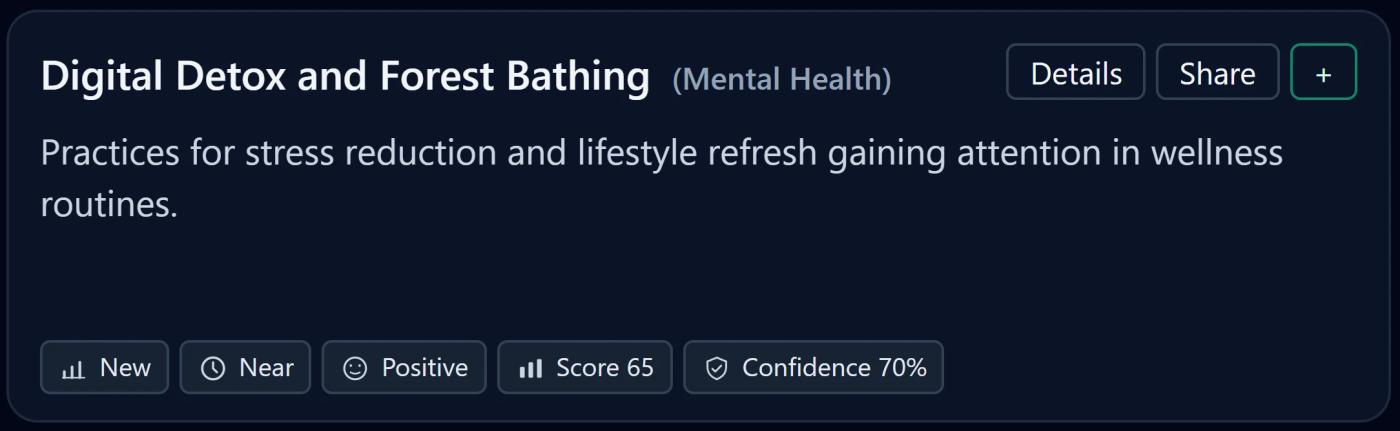
As screen fatigue and cognitive overload rise, consumers are turning to intentional disconnection. Digital detox practices—paired with nature-based activities like forest bathing—are gaining attention as tools for stress reduction and mental reset.
Rather than abandoning technology entirely, consumers are creating structured breaks to restore focus and emotional balance. Wellness retreats, guided outdoor experiences, and mindfulness programs are increasingly framing nature as a therapeutic environment.
Why it matters:
Mental wellness is shifting from reactive coping to proactive lifestyle design.
2. Biohacking on a Budget

Biohacking is becoming more accessible. What was once associated with expensive devices and elite routines is now adapting to mainstream budgets through supplement stacking, sleep optimization, and nutrition tweaks.
Consumers are experimenting with affordable ways to improve energy, cognition, and longevity—often guided by online communities and data from wearables. Cost-conscious optimization is replacing extreme experimentation.
Why it matters:
Self-optimization is moving from fringe culture to everyday habit.
3. Mood-Supporting Drinks

Beverages are emerging as emotional wellness tools. Mood-supporting drinks that combine indulgence with functional ingredients—such as adaptogens, botanicals, and nootropics—are reframing how consumers approach relaxation and pleasure.
These products blur the line between treat and therapy, appealing to consumers who want emotional benefits without pharmaceuticals.
Why it matters:
Wellness is being integrated into daily rituals, not isolated routines.
4. AI-Powered Sleep Trackers

Sleep has become a top wellness priority, and AI-powered sleep trackers are accelerating adoption. Devices and platforms now analyze sleep stages, recovery patterns, and behavior to deliver predictive coaching and personalized recommendations.
Recent product updates and growing consumer focus on sleep quality—particularly post-holiday and during New Year wellness resets—have driven this trend forward
Why it matters:
Sleep optimization is shifting from passive tracking to active guidance.
5. Health Monitors for Aging Populations

As the global population ages, wellness technology is increasingly focused on enabling independence. Non-invasive health monitors—such as wearable vital trackers, fall detection systems, and AI-driven alerts—are supporting aging in place.
Demand is rising due to demographic shifts, regulatory approvals, and increased visibility of senior-focused health tech, particularly in the U.S. market
Why it matters:
Wellness innovation is becoming a core pillar of elder care.
6. Personalized Nutrition Strategies
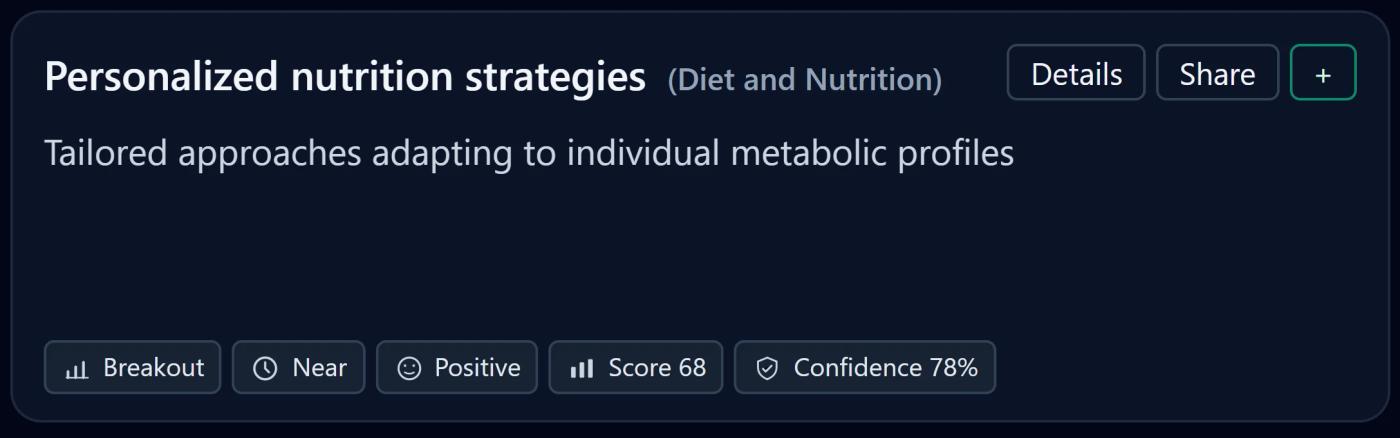
One-size-fits-all diets are losing relevance. Personalized nutrition approaches—tailored to individual metabolic profiles, lifestyle factors, and health goals—are gaining traction across wellness and preventive health.
Consumers are increasingly open to data-driven nutrition plans that adapt over time, rather than rigid dietary rules.
Why it matters:
Nutrition is becoming adaptive, dynamic, and individualized.
7. Plant-Based Protein Innovations
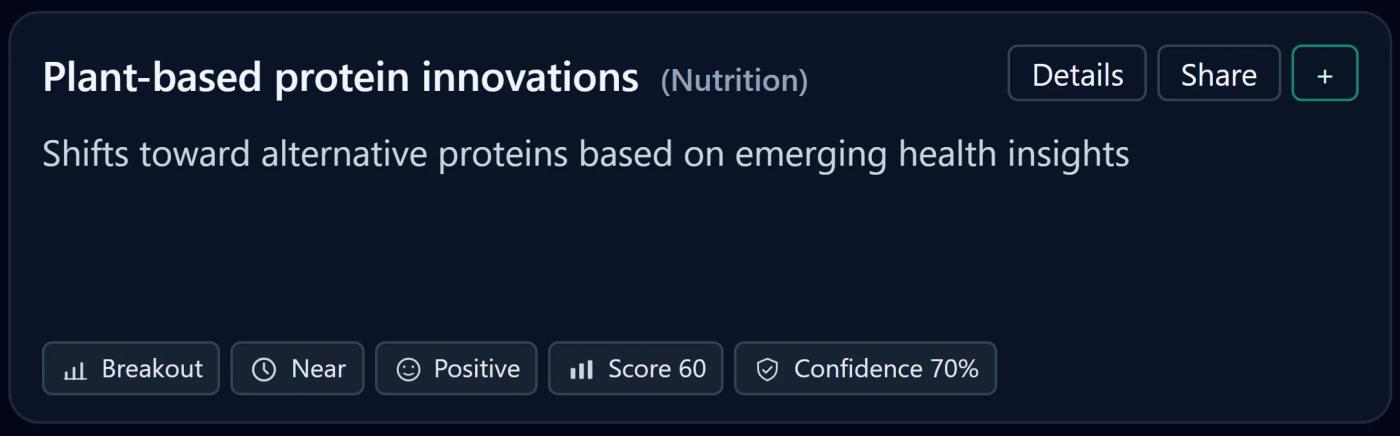
Plant-based protein is evolving beyond meat replacement. New innovations are driven by emerging health insights, improved formulations, and broader nutritional framing—not just sustainability.
Consumers are incorporating alternative proteins for digestive health, cardiovascular benefits, and dietary variety, rather than strict dietary identity.
Why it matters:
Plant-based eating is becoming additive, not restrictive.
What These Wellness Trends Reveal
Across all seven trends, several clear signals emerge:
- Wellness is becoming personalized and data-informed
- Technology is enabling prevention and independence
- Mental and emotional health are central—not secondary
- Aging populations are driving meaningful innovation
- Daily rituals are replacing extreme interventions
Superway’s real-time trend intelligence helps brands and organizations understand not just what is trending—but why it’s resonating now, and how long momentum is likely to last.
Wellness is no longer about optimization for a few—it’s about sustainability for many.