Healthcare innovation is accelerating across every layer of the system—from prevention and diagnosis to treatment delivery and long-term care. What’s different now is not just the speed of advancement, but the convergence of technologies reshaping how care is accessed, personalized, and scaled.
Using real-time trend intelligence, Superway has identified nine healthcare trends gaining momentum right now. Together, they reflect a system under pressure—but also one undergoing meaningful transformation driven by data, biology, and digital tools.
Breakthroughs in mRNA Cancer Vaccines
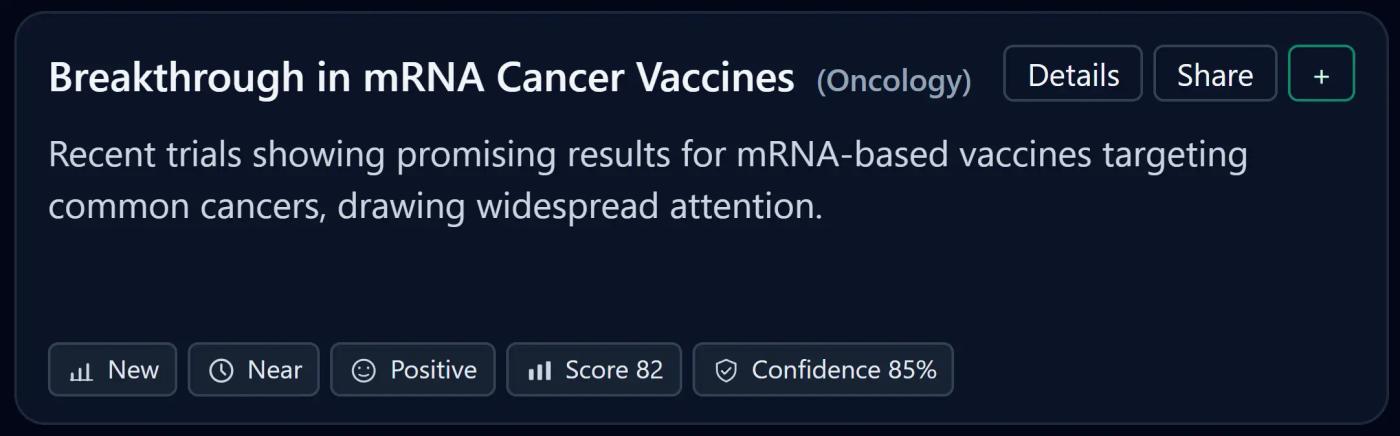
mRNA technology is expanding far beyond infectious disease. Recent clinical trials targeting common cancers have shown promising results, positioning mRNA-based cancer vaccines as a potential new pillar of oncology treatment.
These vaccines aim to train the immune system to recognize and attack cancer-specific antigens, offering a more targeted and personalized approach compared to traditional therapies. While still in development, growing trial success has increased attention from researchers, investors, and health systems alike.
Why it matters:
Personalized cancer treatment is moving closer to reality, signaling a shift toward immune-driven oncology strategies.
AI-Enhanced Telemedicine Adoption
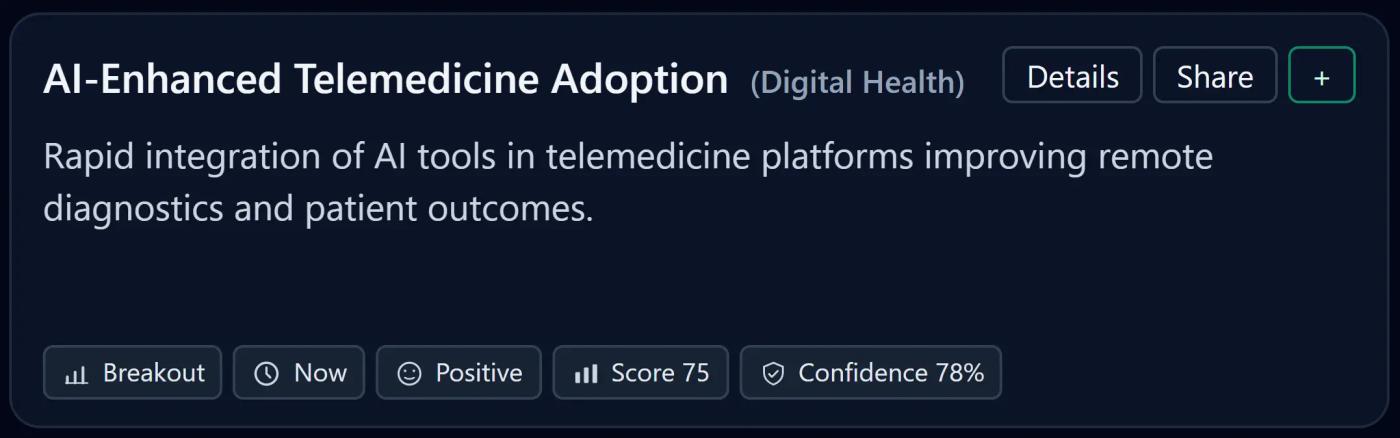
Telemedicine is entering a new phase as artificial intelligence becomes embedded in remote care platforms. AI-powered personalization technology is improving diagnostic accuracy, triage efficiency, and patient monitoring—especially in primary care and chronic condition management.
From symptom analysis to predictive risk modeling, AI is helping clinicians deliver more informed care without in-person visits. This trend reflects growing demand for scalable healthcare access paired with better outcomes.
Why it matters:
Remote care is no longer just about convenience—it’s becoming clinically sophisticated.
Advances in Gene Editing for Rare Diseases
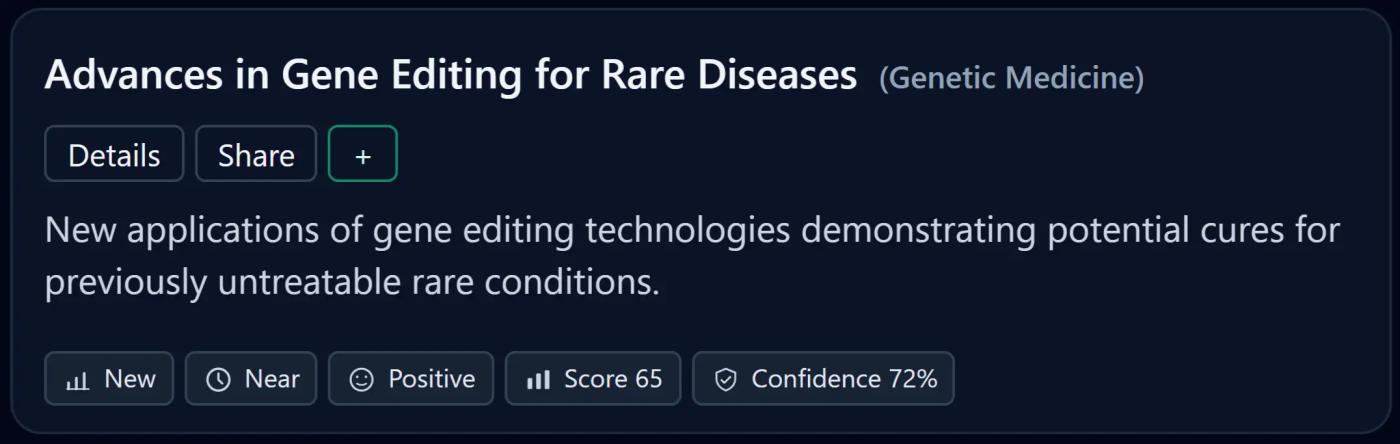
Gene editing technologies are showing growing potential for treating rare and previously untreatable genetic conditions. These biotech innovations in genomics and immunotherapy are demonstrating the ability to correct disease-causing mutations at their source, rather than managing symptoms.
For patients with rare diseases, these advances represent a paradigm shift—from lifelong treatment to the possibility of durable or permanent solutions.
Why it matters:
Precision medicine is expanding beyond common conditions, unlocking new value in orphan disease research.
Rising Antibiotic Resistance in Common Bacteria
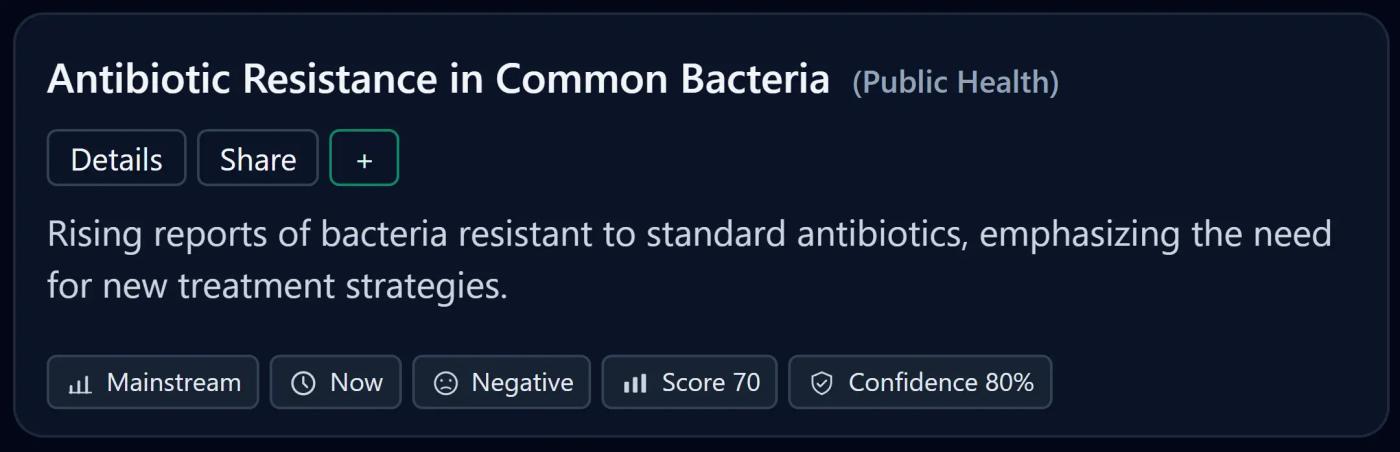
Antibiotic resistance remains one of the most urgent public health challenges globally. Increasing reports of resistance in common bacterial infections are highlighting the limitations of existing treatments.
This trend is driving renewed focus on novel antibiotics, alternative therapies, and improved stewardship practices. While sentiment around the issue is negative, awareness and innovation are increasing in parallel.
Why it matters:
The effectiveness of modern medicine depends on solving antibiotic resistance before it outpaces treatment options.
Obesity Treatment Innovations
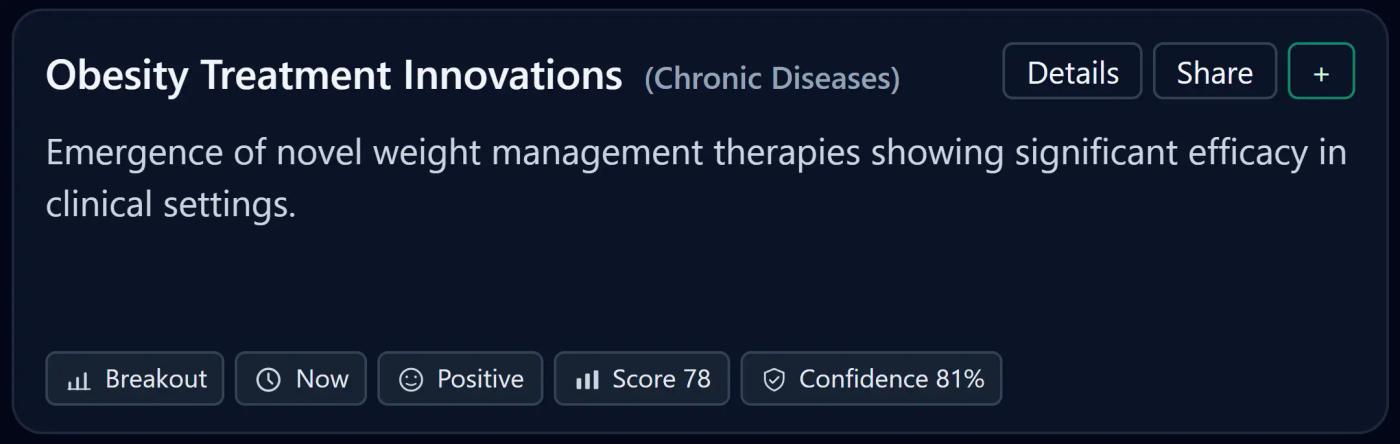
New weight management therapies are showing significant clinical efficacy, reshaping how obesity is treated within healthcare systems. These innovations are moving obesity care beyond lifestyle-only interventions toward medical solutions with measurable outcomes, reflecting nutrition's role in health outcomes.
As obesity is increasingly recognized as a chronic disease, treatment adoption is expanding across clinical and insurance frameworks.
Why it matters:
Effective obesity treatment has downstream impact on diabetes, cardiovascular disease, and overall healthcare costs.
Elderly Care Through Wearable Technology
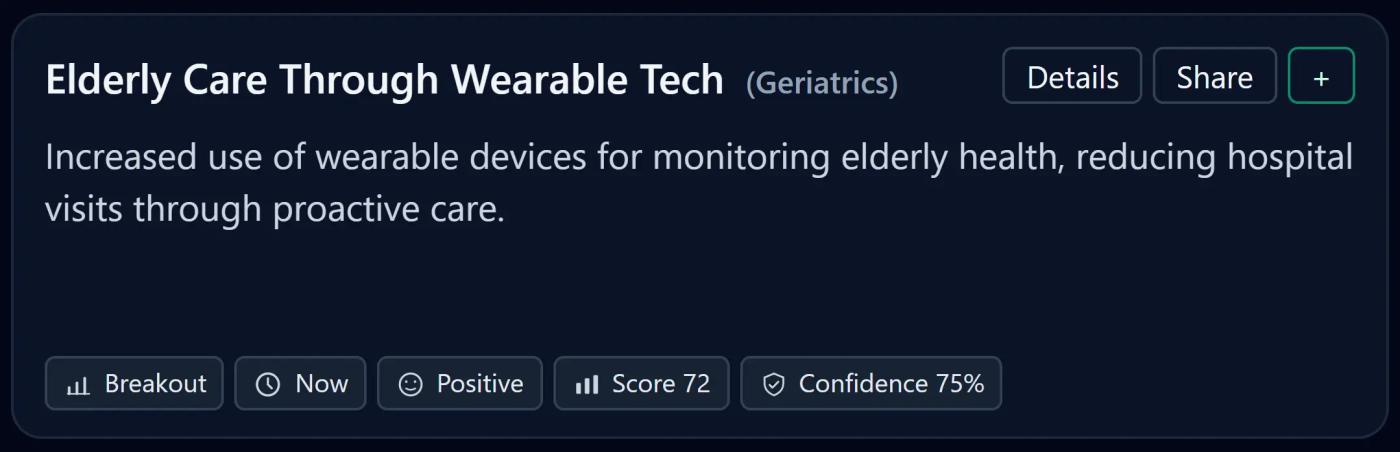
Wearable health devices are becoming central to elderly care strategies. Continuous monitoring enables early detection of health issues, reduces hospital visits, and supports proactive care models. These fitness and recovery technologies help bridge gaps between caregivers, clinicians, and patients.
This trend is particularly important as aging populations place increased strain on healthcare systems. Wearables help bridge gaps between caregivers, clinicians, and patients.
Why it matters:
Preventative monitoring is redefining how elder care is delivered at scale.
Vaccine Development for Emerging Viruses
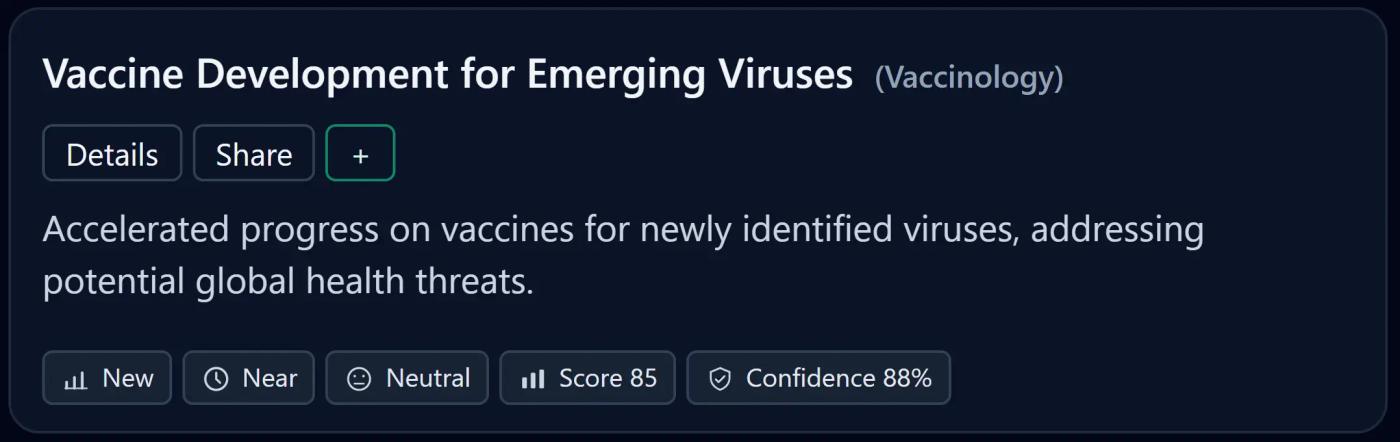
Vaccine platforms are evolving to respond faster to newly identified viruses. Accelerated development timelines and flexible technologies are improving global readiness for future outbreaks.
This trend reflects lessons learned from recent global health crises and emphasizes preparedness over reaction.
Why it matters:
Speed and adaptability are becoming core capabilities in vaccine development.
Nutrition Guidelines for Heart Health
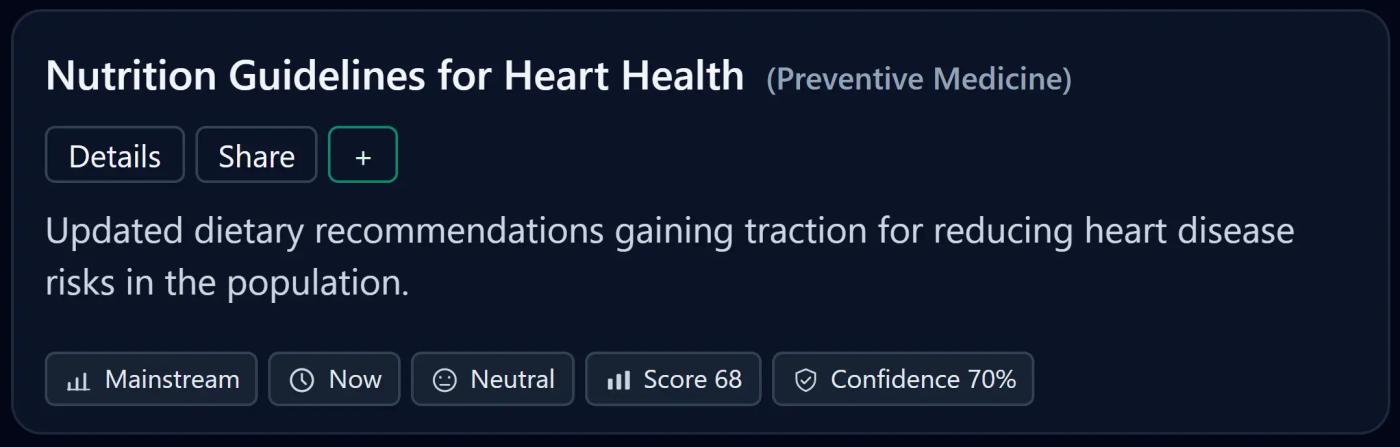
Updated dietary guidelines aimed at reducing heart disease risk are gaining traction across public health and preventive medicine. These recommendations emphasize long-term lifestyle changes rather than short-term interventions.
Nutrition is increasingly framed as a foundational component of cardiovascular health, supported by data-driven guidance.
Why it matters:
Preventive care is shifting upstream—before disease progression begins.
Robotic Surgery for Minimally Invasive Procedures
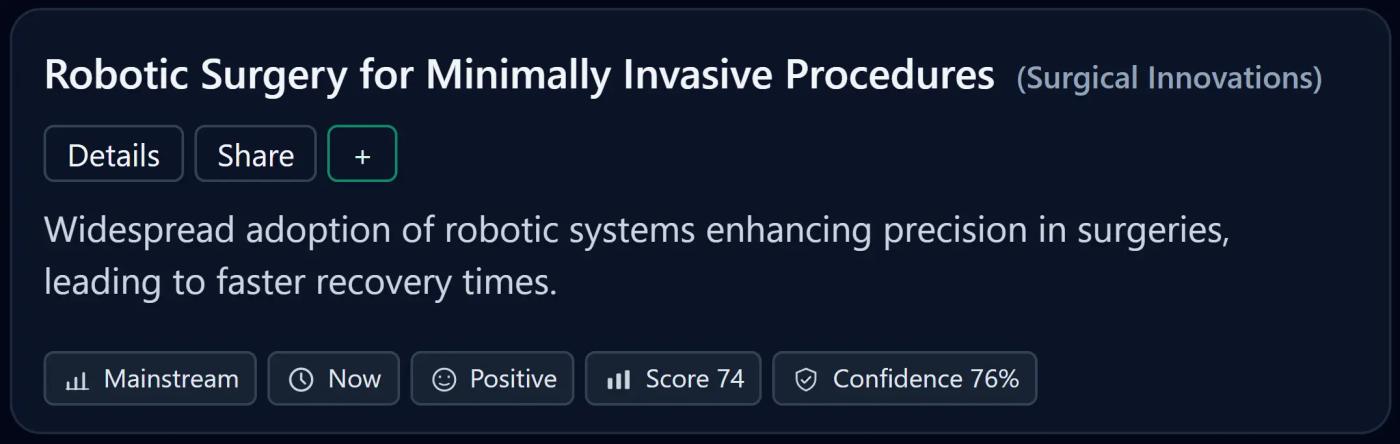
Robotic surgical systems are now widely adopted across hospitals, enhancing precision, reducing recovery times, and improving patient outcomes.
As the technology matures, robotic-assisted surgery is becoming standard practice rather than a premium option.
Why it matters:
Automation and precision are redefining surgical efficiency and patient experience.
What These Healthcare Trends Reveal
Across these nine trends, several clear themes emerge:
- Healthcare is becoming more personalized and data-driven
- Prevention and early intervention are gaining priority
- Technology is enabling scale without sacrificing quality
- Long-standing challenges are driving renewed innovation
Superway’s trend intelligence helps organizations track not just medical breakthroughs, but the signals of adoption, confidence, and momentum that indicate what’s coming next.
Healthcare’s future will be shaped by those who understand these shifts early—and act decisively.