The beverage aisle is undergoing a quiet but meaningful transformation. Today’s consumers aren’t just reaching for drinks to quench thirst—they’re making intentional choices tied to health goals, lifestyle values, and environmental concerns.
Across alcohol alternatives, functional formulations, clean-label juices, and sustainable packaging, beverages are becoming tools for balance rather than excess. Using real-time consumer trend intelligence, Superway has identified seven beverage trends gaining traction right now, revealing how taste, wellness, and responsibility are reshaping what people drink.
Non-Alcoholic Beer Goes Mainstream
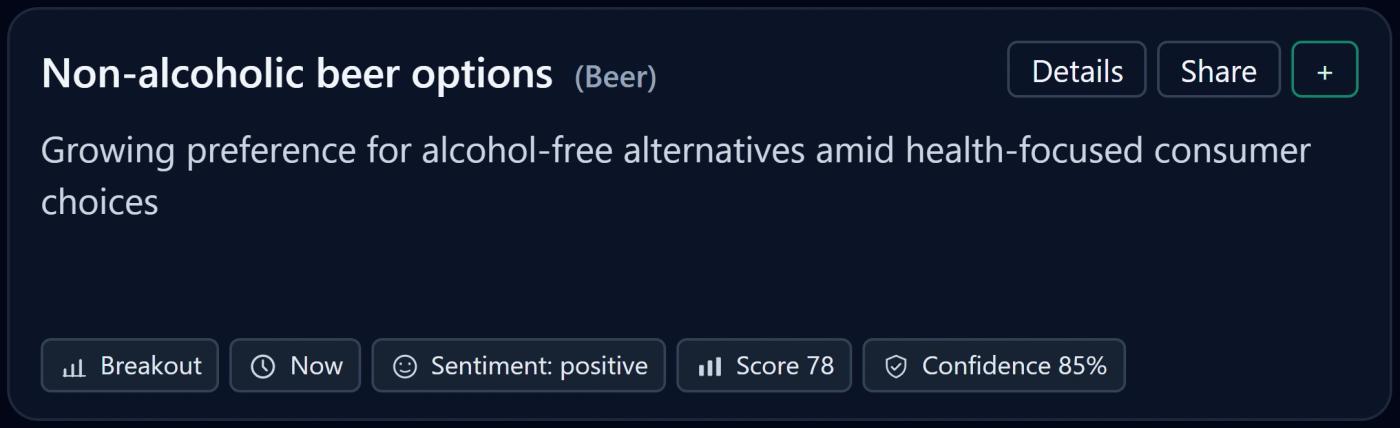
Non-alcoholic beer is no longer a niche compromise—it’s becoming a preferred option for health-conscious and moderation-focused consumers. Advances in brewing techniques have significantly improved taste, mouthfeel, and variety, making alcohol-free beers competitive with traditional offerings.
This shift is closely tied to the broader “sober-curious” movement, where consumers reduce alcohol intake without fully abstaining. Non-alcoholic beer fits seamlessly into social settings, workouts, and weekday routines, offering familiarity without the aftereffects.
Why it matters:
Alcohol moderation is becoming normalized, not restrictive. Brands that deliver flavor parity and premium positioning are capturing growing demand.
Craft Soda Flavors Redefine Indulgence
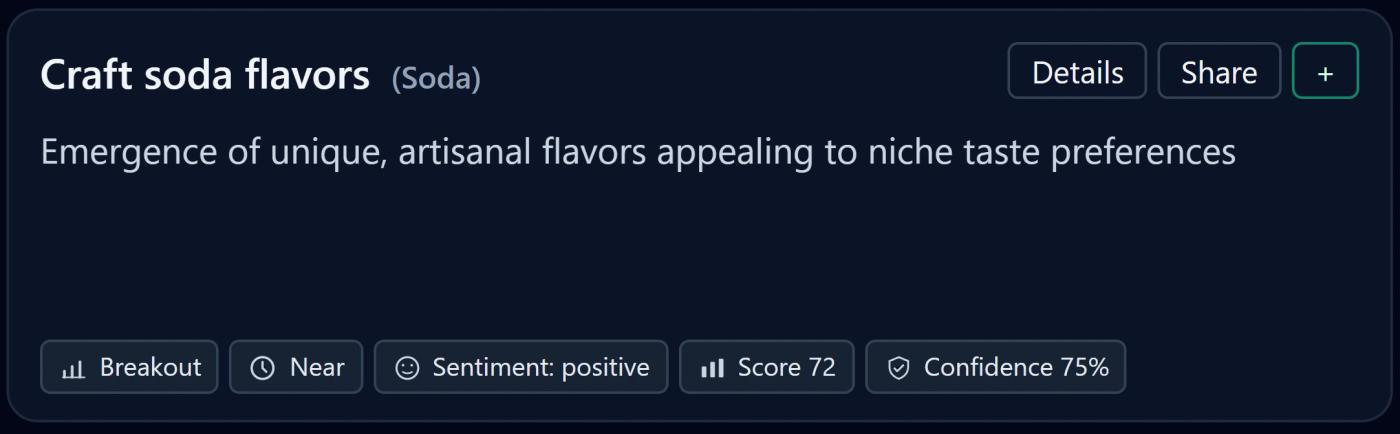
Craft sodas are experiencing a resurgence as consumers seek more distinctive, artisanal flavor profiles. Botanical infusions, heritage ingredients, and unexpected combinations are appealing to niche taste preferences and adventurous palates.
Unlike traditional mass-market sodas, craft varieties emphasize storytelling, small-batch production, and elevated branding. While indulgent, they often position themselves as “better-for-you” alternatives through cleaner ingredient lists and reduced artificial additives.
Why it matters:
Consumers are willing to indulge—but they want uniqueness, authenticity, and perceived quality.
Zero-Sugar Energy Drinks Take the Lead
Zero-sugar energy drinks have firmly entered the mainstream, driven by fitness culture, calorie awareness, and everyday energy needs. Consumers still want caffeine and performance benefits—but without the sugar crash or excess calories.
Modern formulations focus on cleaner stimulation, often pairing caffeine with vitamins, amino acids, or nootropic ingredients. These drinks are increasingly consumed not just for workouts, but for workdays, studying, and long-term productivity. This aligns with broader plant-based performance nutrition trends.
Why it matters:
Energy is being reframed as sustained and functional, not extreme or short-lived.
Organic Juice Becomes a Trust Signal
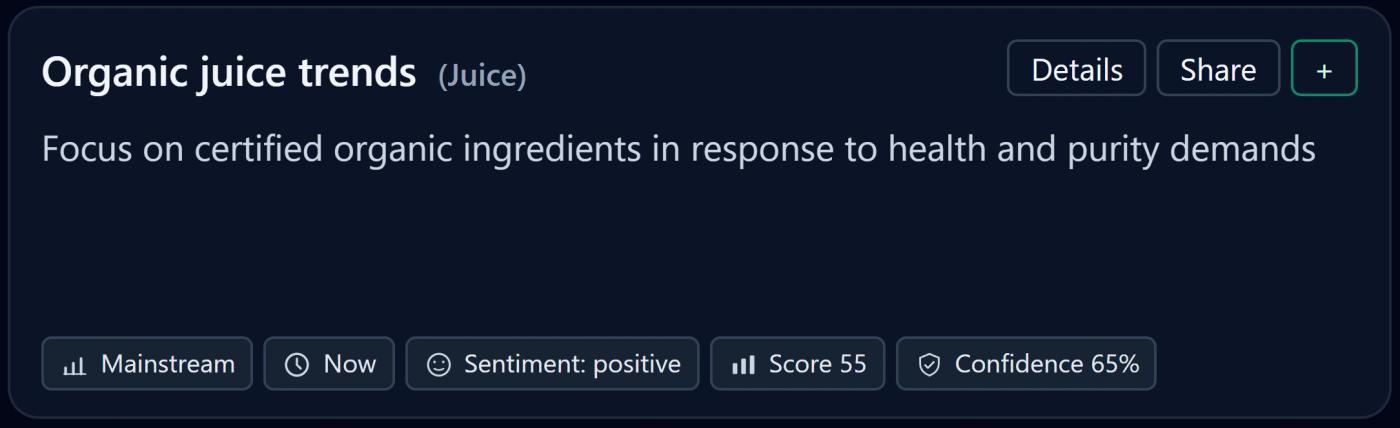
Organic juice trends point to a growing emphasis on purity, transparency, and ingredient integrity. Consumers are paying closer attention to sourcing, certifications, and processing methods—especially in categories historically associated with high sugar content.
Cold-pressed formats, minimal ingredient lists, and certified organic labels help brands position juices as premium wellness products rather than sugary beverages. For many consumers, “organic” has become shorthand for trust.
Why it matters:
Certification and transparency are increasingly essential for credibility in health-adjacent categories.
Functional Tea Blends Expand Beyond Immunity
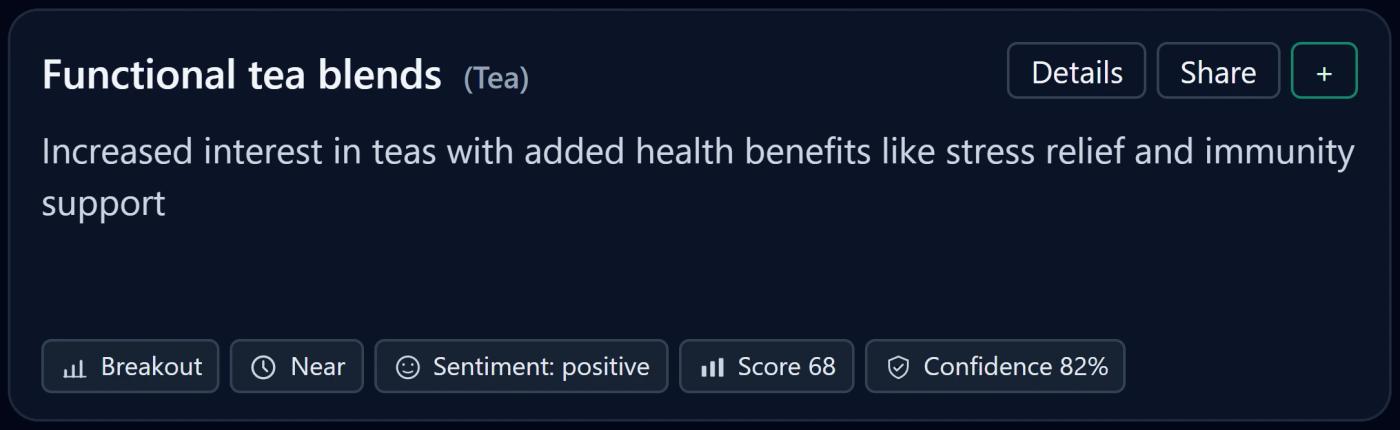
Functional teas are evolving beyond single-purpose benefits. While immunity remains important, consumers are now seeking blends that support stress relief, sleep, focus, digestion, and overall balance.
Adaptogens, botanicals, and functional herbs are being incorporated into daily tea rituals, especially among consumers looking to reduce caffeine or replace functional supplements with functional food trends.
Why it matters:
Tea is becoming a delivery system for everyday wellness, not just hydration.
Alcoholic Seltzers Continue to Evolve
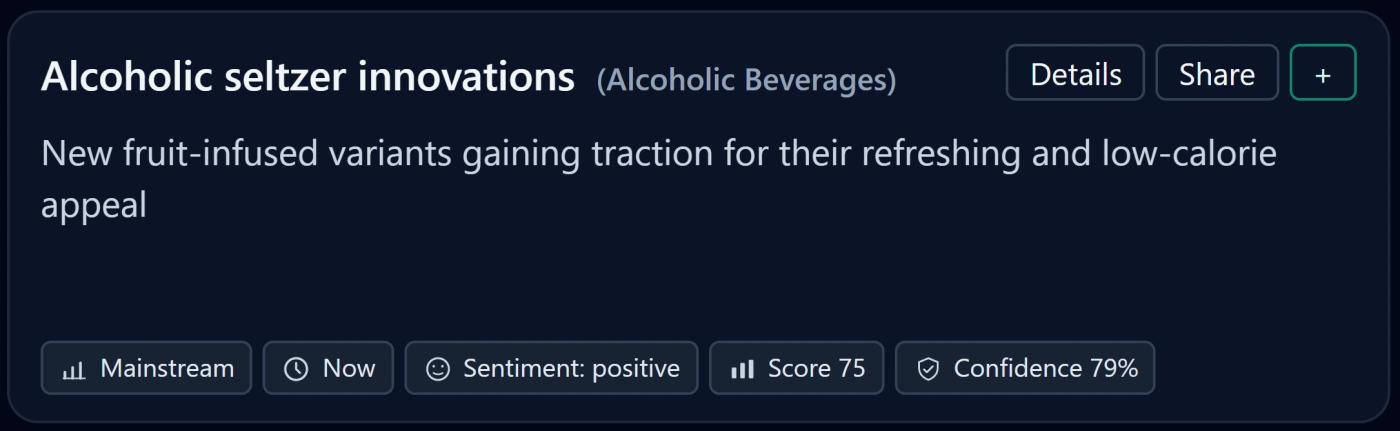
Alcoholic seltzers remain popular, but innovation is shifting toward refined flavor profiles and better-for-you positioning. Fruit-infused variants with lower calories, lighter sweetness, and cleaner labeling are driving sustained interest.
Rather than novelty-driven launches, the category is maturing—focusing on sessionability, lifestyle alignment, and taste sophistication.
Why it matters:
Consumers want alcohol options that fit into wellness-conscious lifestyles without sacrificing enjoyment.
Sustainable Bottled Water Focuses on Packaging
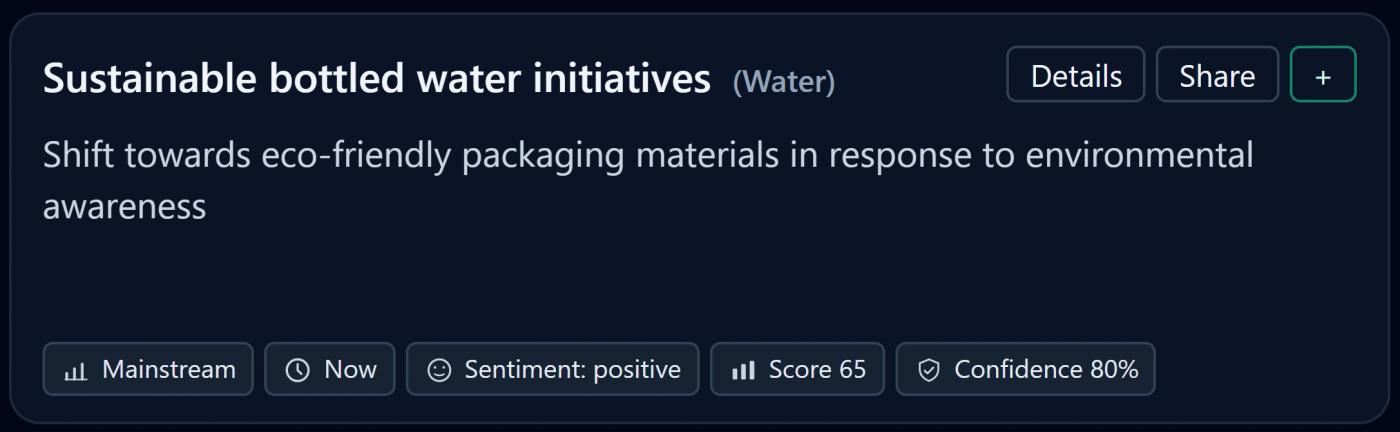
Bottled water innovation is increasingly centered on sustainability rather than formulation. Eco-friendly packaging materials, reduced plastic usage, and alternative bottle designs are responding directly to environmental concerns.
As water becomes a symbol of responsibility and minimalism, brands are differentiating through carbon reduction efforts, recyclable materials, and transparent sustainability commitments.
Why it matters:
Packaging is now part of the product—and a visible reflection of brand values.
What These Beverage Trends Reveal
Across all seven trends, a consistent pattern emerges:
- Consumers are prioritizing balance over extremes
- Health-conscious choices are becoming everyday defaults
- Sustainability and transparency directly influence brand trust
- Flavor still matters—but context and values matter more
Beverages are no longer impulse purchases. They are intentional, lifestyle-aligned decisions that reflect how consumers want to feel—physically, mentally, and ethically. These patterns mirror broader consumer behavior shifts visible in holiday shopping trends, where values and purpose increasingly drive purchasing decisions.
Superway's real-time trend intelligence helps brands identify these shifts early, understand why they're accelerating, and anticipate what's next before it becomes obvious—including emerging patterns in holiday shopping trends.